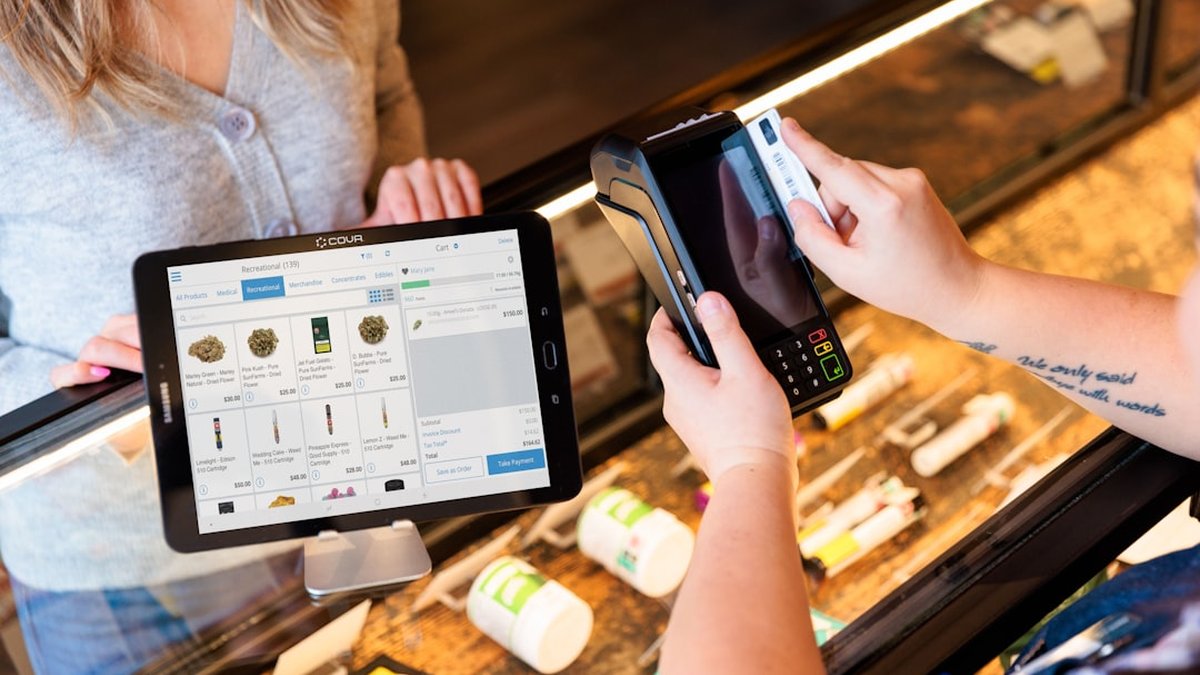
Freelancers face a specific trade-off: fast payouts and low fees versus global reach and easy integration. Choosing the right payment gateway affects cash flow, taxes and client experience. The following guide compares leading processors by fees, payout speed, invoicing tools, dispute handling and international support so freelancers can select the optimal service for their business model.
Key criteria freelancers should weigh
Fees and pricing structure
- Transaction fees (percentage + fixed fee) vary by processor. Lower rates for domestic cards may come with higher cross-border or conversion fees.
- Monthly or setup fees can erode margins for low-volume freelancers.
- Chargeback and refund fees matter where digital services face disputes.
Payout speed and funding options
- Immediate, daily or weekly payouts change cash flow.
- Some gateways offer instant transfer to debit card for a small fee.
International payments and currency conversion
- Multi-currency collections and transparent FX markups reduce surprises.
- Local payment methods (e.g., SEPA, ACH, UPI) increase conversions in specific markets.
Integration, invoicing and accounting
- Built-in invoicing, recurring billing and accounting exports save time.
- Prebuilt integrations with QuickBooks, Xero or popular freelance platforms reduce admin.
Compliance, security and dispute handling
- PCI DSS compliance and tokenization reduce merchant risk.
- Clear chargeback policies and accessible dispute support protect revenue.
Top contenders: strengths and ideal freelancer profiles
Stripe — Best for developer-friendly integration and global scale
Strengths: Powerful API, multi-currency support, robust invoicing, subscription management, and detailed reporting. Payout speed: standard 2 business days (varies by country); instant payouts available for a fee.
Ideal for: Freelancers who sell digital subscriptions, SaaS consultants, or those who need custom checkout experiences.
Sources: Stripe pricing, Stripe docs.
PayPal / PayPal for Business — Best for ubiquity and client familiarity
Strengths: Wide consumer recognition, easy setup, invoice templates, PayPal.Me links. Payouts to bank accounts usually 1-3 business days; instant transfer option available.
Ideal for: Freelancers working with clients who prefer PayPal or who invoice occasional one-off jobs.
Sources: PayPal fees.
Wise (formerly TransferWise) — Best for low-cost international transfers
Strengths: Transparent FX rates, low fixed fees, multi-currency accounts to receive bank transfers in USD, EUR, GBP, AUD and more.
Ideal for: Freelancers with frequent international clients who prefer bank-transfer-based payouts and low conversion fees.
Sources: Wise pricing.
Payoneer — Best for global marketplaces and cross-border payouts
Strengths: Global payout network, receiving accounts in multiple currencies, marketplace integrations.
Ideal for: Freelancers working with international marketplaces, agencies, or companies paying via mass payouts.
Sources: Payoneer pricing.
Square — Best for in-person and U.S. freelancers with point-of-sale needs
Strengths: POS hardware, simple flat-rate pricing, built-in invoice and appointment tools.
Ideal for: Photographers, designers or consultants who accept card-present payments or local clients.
Sources: Square pricing.
Braintree / PayPal Braintree — Best for fast scaling and marketplace platforms
Strengths: Advanced fraud tools, seamless PayPal and card acceptance, vaulted payment methods.
Ideal for: Freelancers building platforms or apps that require vaulted tokens and complex payment flows.
Sources: Braintree features.
Comparative table (fees, payouts, global reach, invoicing)
| Gateway |
Typical fees |
Payout speed |
Multi-currency |
Invoicing |
Best for |
| Stripe |
2.9% + $0.30 (US) |
1–2 business days (varies) |
Yes |
Built-in |
Developers, SaaS |
| PayPal |
2.9% + $0.30 (domestic) |
1–3 business days |
Yes |
Built-in templates |
Client familiarity |
| Wise |
Low fixed + small % FX |
Bank transfer speed (1–3 days) |
Yes, multi-currency account |
Basic receipts |
Intl bank transfers |
| Payoneer |
% on withdrawals / FX |
1–5 business days |
Yes |
Basic |
Marketplaces, mass payouts |
| Square |
2.6% + $0.10 (card present) |
1–2 business days |
Limited |
Strong POS + invoices |
In-person services |
| Braintree |
Custom / competitive |
2–3 business days |
Yes |
Via SDK |
Marketplaces, apps |
Numbers vary by country and transaction type. Always confirm current merchant fees and conversion rates.
Technical and legal considerations
PCI DSS, tokenization and data security
- PCI DSS rules apply to anyone storing or processing card data. Choosing a gateway that handles tokenization reduces scope and liability.
- For compliance guidance, consult the PCI Security Standards Council: pcisecuritystandards.org.
Tax reporting and record-keeping
- Gateways issue 1099-K or local tax forms when thresholds are met. Integrations with accounting software (e.g., QuickBooks, Xero) simplify VAT/GST and income tracking.
- Verify country-specific reporting obligations with a tax advisor or local revenue authority.
Chargebacks and dispute resolution
- Chargeback ratios and dispute evidence requirements differ. Gateways with proactive fraud detection (machine learning models) reduce disputes.
- Maintain clear contracts, delivery receipts and communication logs to contest chargebacks effectively.
How to choose based on freelance business model
Time-based consultants and hourly freelancers
- Prioritize invoicing features, recurring billing and straightforward accounting exports. Stripe Invoicing or PayPal invoicing suits many hourly professionals.
Productized services or digital products
- Subscription management, prorations and trial handling favor Stripe or Braintree.
International clients and contractors
- Prioritize Wise or Payoneer for lower FX costs and multi-currency receiving accounts. For card acceptance globally, Stripe or Adyen provide broad local payment method support.
Low-volume or occasional invoices
- Avoid monthly gateway fees. PayPal or Wise may be more cost-effective than enterprise processors.
Expert guidance and studies
- PCI Security Standards Council explains compliance best practices: pcisecuritystandards.org.
- Market data on payment preference and conversion often referenced from Statista and industry reports; check Statista for up-to-date market share and cross-border payment statistics: Statista payment services.
- Research on online payment trust and usability is available via academic publications (example DOI): J. Retailing and Consumer Services.
FAQ
What payment gateway has the lowest fees for freelancers?
Fees vary by country, transaction type and client location. Wise often provides the lowest cost for international bank transfers; for card payments, negotiating rates with Stripe or Braintree can reduce costs for higher volume.
Can a freelancer use multiple gateways at once?
Yes. Many freelancers route card payments via one gateway (e.g., Stripe) and large international invoices via Wise or Payoneer to minimize FX costs.
Are instant payouts worth the extra fee?
Instant payouts improve cash flow at a cost. For urgent payroll or time-sensitive invoices, the fee may be justified; for steady cash flow, standard settlement is usually more economical.
Conclusion
Selecting the best payment gateway depends on client geography, transaction volume, cash flow needs and technical capacity. For developers and subscription sellers, Stripe typically offers the best integration and feature depth. For global bank transfers and low FX fees, Wise stands out. For broad consumer familiarity and one-off invoices, PayPal remains convenient. Combining services — a card processor for regular payments and a specialized FX/payout provider for international transfers — often yields the best balance between cost and convenience.
Freelancers should run a short cost model using average monthly volume, expected refund/chargeback rates and the share of international receipts to determine the lowest total cost and best client experience.
Legal notice: Fee figures and policies change frequently. Confirm current terms on provider websites and consult a tax or legal advisor for obligations specific to jurisdiction or industry.